Buy suedklang.eu ?
We are moving the project
suedklang.eu .
Are you interested in purchasing the domain
suedklang.eu ?
domain@kv-gmbh.de · 0541-91531010
Buy suedklang.eu ?
What does Basso Continuo mean and which instruments are involved?
Basso continuo, also known as continuo or figured bass, is a form of musical accompaniment used in the Baroque period. It consists of a bass line played by a bass instrument, such as a cello or bassoon, along with a keyboard instrument, typically a harpsichord or organ, that plays harmonies indicated by numbers or figures written above or below the bass line. The basso continuo provides a harmonic foundation for the music and allows for improvisation and ornamentation by the performers. **
How is the basso continuo used in music?
The basso continuo is a musical technique used in Baroque music where a bass line is played continuously throughout a piece. It is typically performed by a keyboard instrument, such as a harpsichord or organ, along with a bass instrument, like a cello or bassoon. The basso continuo provides harmonic support and helps to establish the tonal center of the music, while also allowing for improvisation and ornamentation by the performers. This technique was a fundamental element of Baroque music and is often found in compositions from that period. **
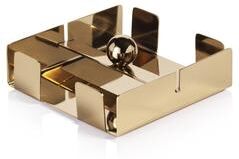

Similar search terms for Zodax-Basso-Steel-Napkin
Top-Angebote
Products related to Zodax-Basso-Steel-Napkin:
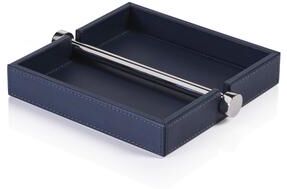

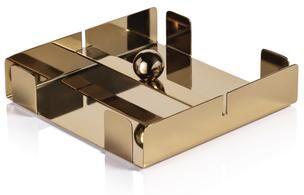
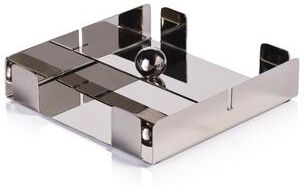
-
Is the basso continuo correct?
Without specific context or examples, it is difficult to determine if the basso continuo is correct. The accuracy of the basso continuo depends on various factors such as the harmony, voice leading, and stylistic considerations. It would be necessary to analyze the specific musical passage in question to determine the correctness of the basso continuo. **
-
What is the history of napkin decoupage?
Napkin decoupage, also known as paper napkin decoupage, has its origins in the art of decoupage, which dates back to ancient times. Decoupage involves decorating objects by gluing paper cutouts onto them and then sealing them with varnish. The technique became popular in Europe during the 18th century, and napkin decoupage specifically gained popularity in the 20th century as decorative paper napkins became widely available. It is a popular craft technique for creating unique and personalized home decor items, such as vases, trays, and furniture. **
-
What is the model of the Basso racing bike?
The model of the Basso racing bike is the Diamante. It is a high-performance road bike designed for racing and long-distance riding. The Diamante model is known for its lightweight carbon frame, aerodynamic design, and responsive handling, making it a popular choice among competitive cyclists and enthusiasts. **
-
How does the napkin technique work on glass?
The napkin technique on glass involves using a wet napkin to create a temporary design or pattern on the surface of the glass. The napkin is placed on the glass and gently pressed to adhere to the surface. The wet napkin creates a temporary bond with the glass, allowing the design to transfer onto the glass. Once the napkin is removed, the design will remain on the glass. This technique is often used for creating decorative patterns or designs on glass surfaces. **
What is the basso continuo in the 2nd Brandenburg Concerto?
In the 2nd Brandenburg Concerto by Johann Sebastian Bach, the basso continuo is played by the harpsichord and cello. The basso continuo provides the harmonic foundation for the piece, supporting the other instruments and adding depth to the overall sound. It plays a crucial role in maintaining the structure and coherence of the composition, allowing the solo instruments to shine in their virtuosic passages. **
What are the advantages and disadvantages of the basso continuo?
The basso continuo, also known as figured bass, was a common practice in Baroque music. One advantage of the basso continuo is that it provided a flexible framework for improvisation, allowing the performer to interpret and embellish the harmonies according to their own style. It also provided a strong foundation for the rest of the ensemble, helping to maintain the overall structure and coherence of the music. However, a disadvantage of the basso continuo is that it required skilled and knowledgeable performers to realize the harmonies and play the bass line, which could be challenging for less experienced musicians. Additionally, the basso continuo could sometimes overshadow the other voices in the ensemble, leading to a potential imbalance in the overall sound. **
Top-Angebote
Products related to Zodax-Basso-Steel-Napkin:
-
What does Basso Continuo mean and which instruments are involved?
Basso continuo, also known as continuo or figured bass, is a form of musical accompaniment used in the Baroque period. It consists of a bass line played by a bass instrument, such as a cello or bassoon, along with a keyboard instrument, typically a harpsichord or organ, that plays harmonies indicated by numbers or figures written above or below the bass line. The basso continuo provides a harmonic foundation for the music and allows for improvisation and ornamentation by the performers. **
-
How is the basso continuo used in music?
The basso continuo is a musical technique used in Baroque music where a bass line is played continuously throughout a piece. It is typically performed by a keyboard instrument, such as a harpsichord or organ, along with a bass instrument, like a cello or bassoon. The basso continuo provides harmonic support and helps to establish the tonal center of the music, while also allowing for improvisation and ornamentation by the performers. This technique was a fundamental element of Baroque music and is often found in compositions from that period. **
-
Is the basso continuo correct?
Without specific context or examples, it is difficult to determine if the basso continuo is correct. The accuracy of the basso continuo depends on various factors such as the harmony, voice leading, and stylistic considerations. It would be necessary to analyze the specific musical passage in question to determine the correctness of the basso continuo. **
-
What is the history of napkin decoupage?
Napkin decoupage, also known as paper napkin decoupage, has its origins in the art of decoupage, which dates back to ancient times. Decoupage involves decorating objects by gluing paper cutouts onto them and then sealing them with varnish. The technique became popular in Europe during the 18th century, and napkin decoupage specifically gained popularity in the 20th century as decorative paper napkins became widely available. It is a popular craft technique for creating unique and personalized home decor items, such as vases, trays, and furniture. **
Similar search terms for Zodax-Basso-Steel-Napkin
-
What is the model of the Basso racing bike?
The model of the Basso racing bike is the Diamante. It is a high-performance road bike designed for racing and long-distance riding. The Diamante model is known for its lightweight carbon frame, aerodynamic design, and responsive handling, making it a popular choice among competitive cyclists and enthusiasts. **
-
How does the napkin technique work on glass?
The napkin technique on glass involves using a wet napkin to create a temporary design or pattern on the surface of the glass. The napkin is placed on the glass and gently pressed to adhere to the surface. The wet napkin creates a temporary bond with the glass, allowing the design to transfer onto the glass. Once the napkin is removed, the design will remain on the glass. This technique is often used for creating decorative patterns or designs on glass surfaces. **
-
What is the basso continuo in the 2nd Brandenburg Concerto?
In the 2nd Brandenburg Concerto by Johann Sebastian Bach, the basso continuo is played by the harpsichord and cello. The basso continuo provides the harmonic foundation for the piece, supporting the other instruments and adding depth to the overall sound. It plays a crucial role in maintaining the structure and coherence of the composition, allowing the solo instruments to shine in their virtuosic passages. **
-
What are the advantages and disadvantages of the basso continuo?
The basso continuo, also known as figured bass, was a common practice in Baroque music. One advantage of the basso continuo is that it provided a flexible framework for improvisation, allowing the performer to interpret and embellish the harmonies according to their own style. It also provided a strong foundation for the rest of the ensemble, helping to maintain the overall structure and coherence of the music. However, a disadvantage of the basso continuo is that it required skilled and knowledgeable performers to realize the harmonies and play the bass line, which could be challenging for less experienced musicians. Additionally, the basso continuo could sometimes overshadow the other voices in the ensemble, leading to a potential imbalance in the overall sound. **
* All prices are inclusive of VAT and, if applicable, plus shipping costs. The offer information is based on the details provided by the respective shop and is updated through automated processes. Real-time updates do not occur, so deviations can occur in individual cases. ** Note: Parts of this content were created by AI.